


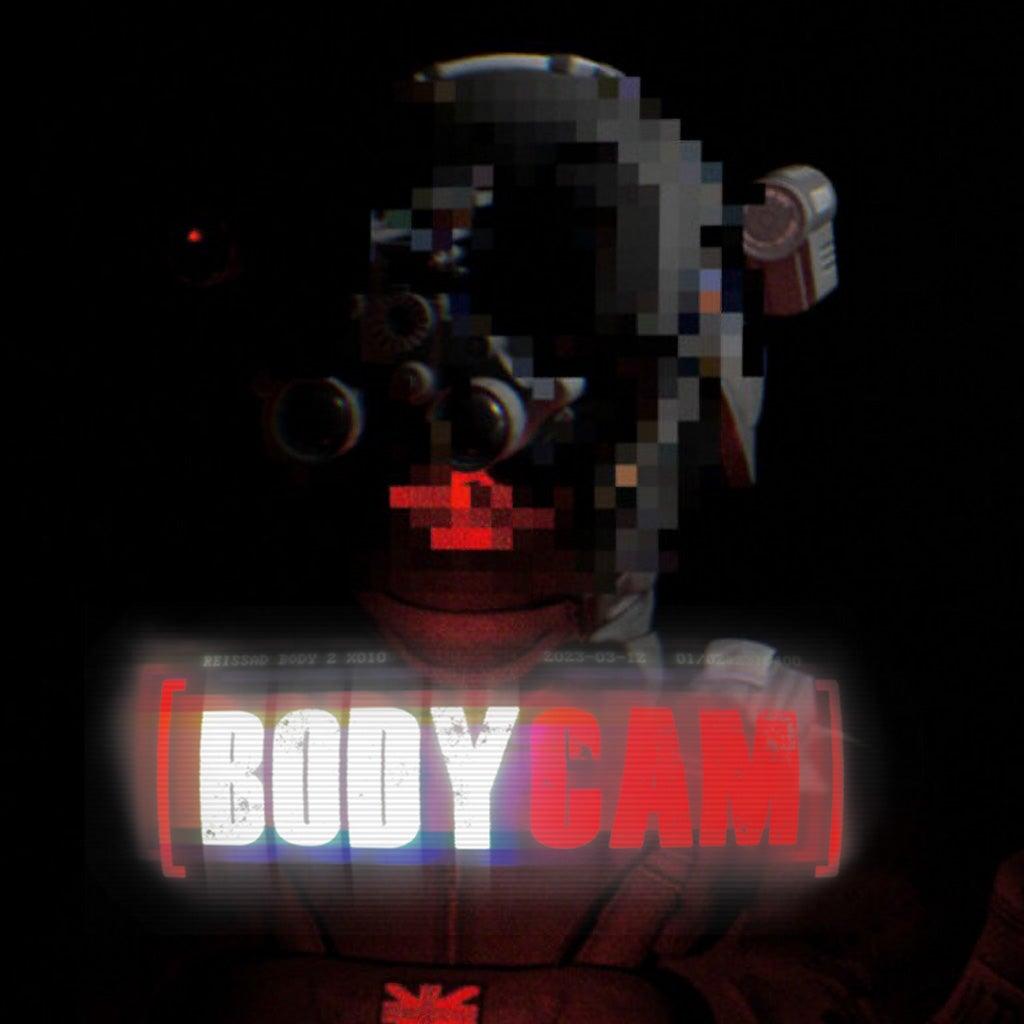
Hyper-Realistic Combat: Precision or Panic?
Bodycam represents a stark departure from the traditional first-person shooter by attempting to bridge the gap between digital interaction and found-footage reality. This experience is built entirely on the premise of extreme immersion, stripping away the polished, steady-cam perspective players have grown accustomed to over decades. It demands a recalibration of how one perceives space, movement, and the lethality of an engagement. The project serves as a technical showcase for modern rendering capabilities, pushing the boundaries of what a small team can achieve with cutting-edge tools. Every corner turned feels heavy with the threat of an unseen opponent, and the lack of a traditional user interface forces a total reliance on sight and sound. Does this uncompromising commitment to realism create a new standard for the genre, or does it sacrifice playability for the sake of an aesthetic? Read on to find out!
Navigating the Fog of War
The narrative is non-existent in a traditional sense, as the focus remains entirely on short, multiplayer-only high-stakes tactical engagements. Players take on the role of operators viewed through the distorted, fish-eye lens of a body-worn camera. The gameplay loop centers on classic modes such as Team Deathmatch and Deathmatch, but the execution is anything but standard. Every movement is delayed by the weight of the camera and the physics of the character model. Clearing a room in a derelict apartment block or a dense forest requires genuine caution because a single shot is often fatal. The tension is palpable, as Bodycam does not have a HUD of any sort, and therefore NOT providing markers or mini-maps to distinguish friend from foe, requiring constant verbal or visual identification.
The Physics of a Gunfight
The mechanical depth of the experience lies in Bodycam’s unique control scheme. Unlike most shooters where the weapon is locked to the centre of the screen, here the aim is decoupled from the camera. Moving the mouse shifts the weapon independently, simulating the natural sway and lag of a handheld device. Reloading is a manual, deliberate process that requires a clear moment of safety, and there is no crosshair to guide the eye. Aiming down sights is a jarring transition that mimics the awkwardness of bringing a rifle up to a camera lens, often obscuring the peripheral vision entirely. This creates a steep learning curve where mastery comes from understanding movement momentum rather than just twitch reflexes.
Communicating Through the Static
The multiplayer component is the core of the experience, relying heavily on a lobby-based system for matchmaking. Without a dedicated single-player campaign, the longevity of the game rests on the community and the intensity of the competitive matches. Personally, I prefer single-player experiences as it allows me to concentrate on the finer details of the game in question. As such, the lack of a single-player campaign-type mode made me feel that there was a major part missing from Bodycam. The matches are often quick but incredibly intense, with the player count restricted to keep the encounters focused. The networking handles the complex physics and high-fidelity environmental destruction reasonably well, though the sheer graphical load can lead to variance in performance depending on the host.
A Gritty Visual Feast
Visually, the game is a masterclass in the use of lighting and post-processing effects. Utilizing Unreal Engine 5, the environments are rendered with a level of photorealism that can be genuinely unsettling. It’s genuinely hard to believe, at first, that you’re not watching actual real-life footage. The fact that you can then take control of the main character and manipulate their movements makes for a highly engrossing visual treat. Environments like the abandoned hospital or the outdoor shooting range are filled with high-resolution textures and complex light setups that react realistically to muzzle flashes and flashlights. The audio design complements this perfectly; the cracks of gunfire are deafening and echoed, while the sound of boots on gravel, people screaming in agony (despite being repetitive), or the heavy breathing of the operator provides vital sensory feedback in the absence of a UI.
The Cycle of Adrenaline
The replay value is driven primarily by the pursuit of tactical perfection and the visceral thrill of Bodycam’s unique presentation. While the current selection of maps and modes is somewhat limited, the unpredictability of human opponents ensures that no two matches feel identical. There is a sense of progression through earning in-game currency to unlock various cosmetic items for the operator and weapons, though these are strictly visual and do not provide an advantage, unfair or otherwise. The main draw remains the atmosphere; for many, the sheer intensity of the simulation is enough to warrant repeated sessions, even if the content variety is still growing.
Conclusion
Bodycam is an unapologetic experiment in technical realism that prioritises atmosphere above all else. It is not a game for those seeking a casual, fast-paced arcade experience. Instead, it caters to a niche audience that values the grit and technical challenge of a true-to-life tactical simulation. While it can be frustratingly difficult and at times disorienting, the sense of presence it achieves is unmatched in the current market. It stands as a bold testament to the future of immersive shooters, even if its hardcore nature may alienate those used to more traditional mechanics.
Pros
- Truly breathtaking, almost alarmingly-photorealistic visuals that redefine immersion.
- Incredible sound design that enhances the tactical atmosphere.
- Unique decoupled aiming mechanics provide a fresh challenge.
- High stakes and lethality make every encounter meaningful.
- Lack of HUD (also a con).
Cons
- Lack of HUD (also a pro).
- Slightly janky character movement can feel difficult at first.
- Limited field of view.
- Steep learning curve that rewards patience and coordination.
- Lack of single-player content.
